
Every other industry got faster. Construction didn’t.
Andrew J Bannister speaks on the industrialisation of construction — why it has not happened, what it would actually take, and what it cannot fix.
Speaking is mine rather than the firm’s. My partners advise; I go on stage. What follows is written in the first person for that reason.

I carry one graph to every talk, every ministry meeting and every investor room. It plots productivity growth since 1960 across manufacturing, agriculture, mining and services — all of them climbing, some of them steeply. Construction is the flat line. In places, the falling one.
That single chart does more work than any argument I could make, because nobody in the room disputes it and nobody in the room can explain it away. It is the reason I speak at all.
I have spent nearly forty years in this industry — drawing, designing, specifying, building, and latterly advising the people who commission it. I am not an expert in any one of the nine stages between a piece of land and a family moving in. What four decades buys you is something rarer and more useful from a stage: the ability to see the whole chain at once, and to say where it actually breaks.
My audiences have been of three kinds, and the talk changes for each.
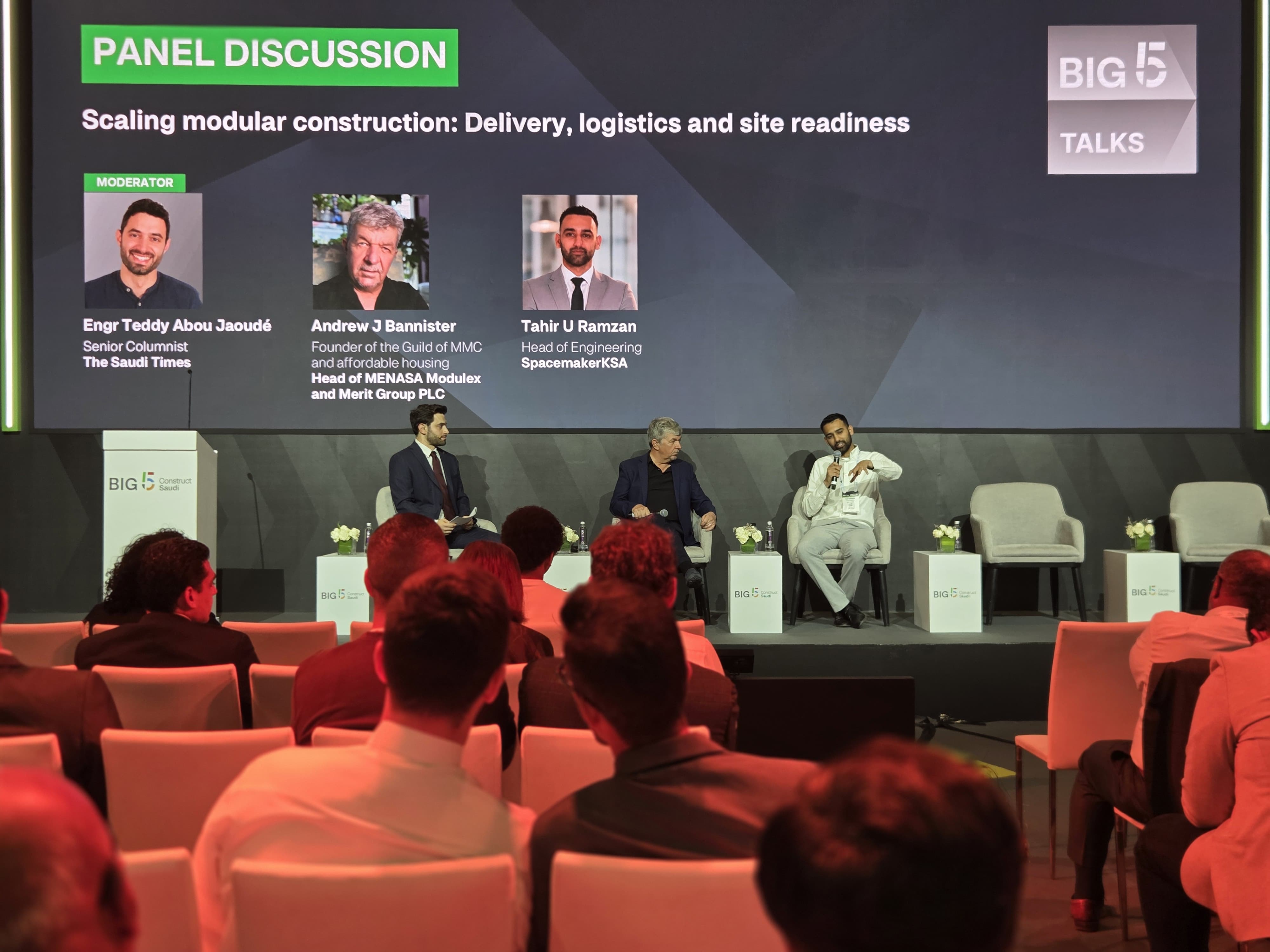
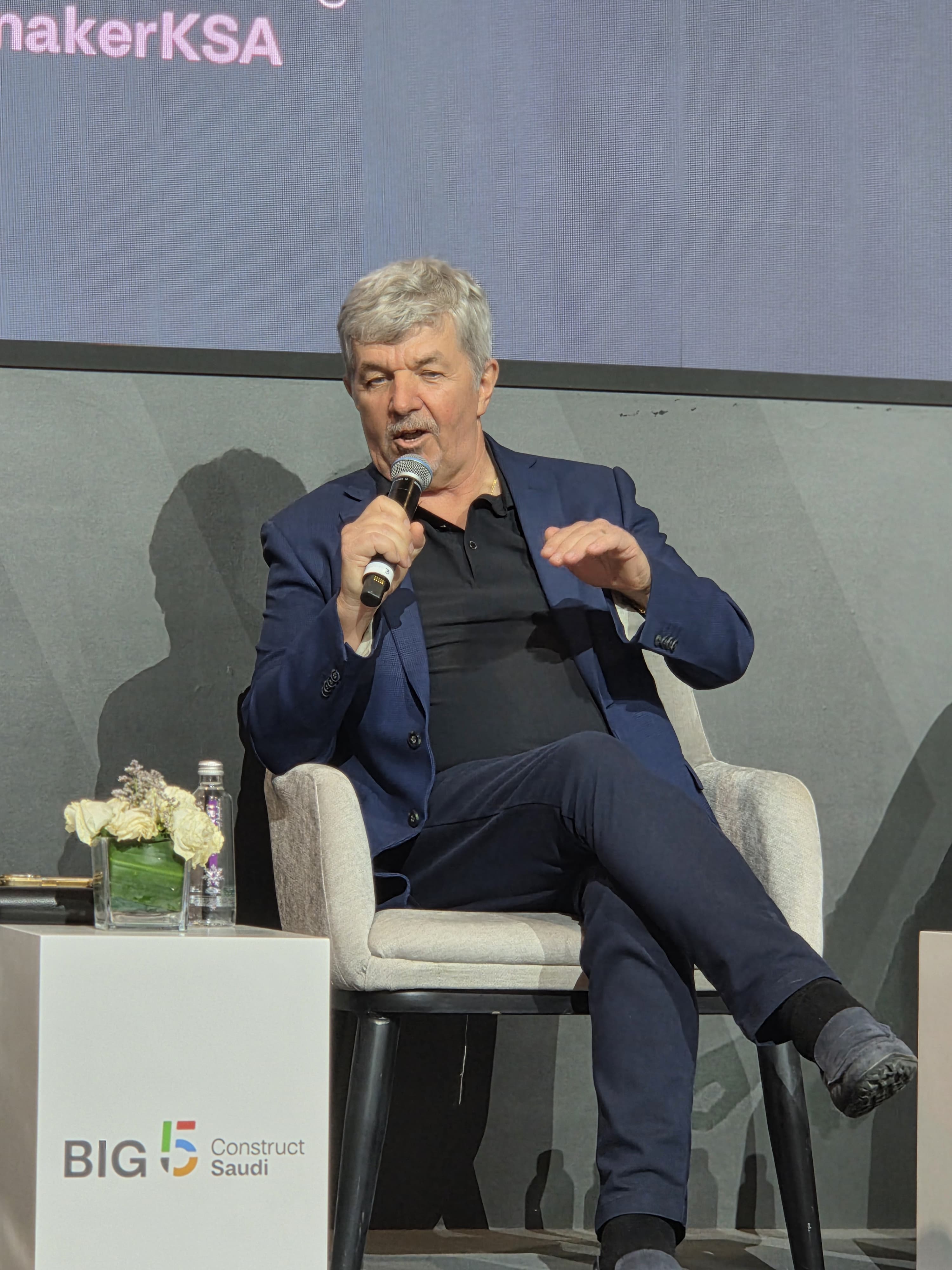
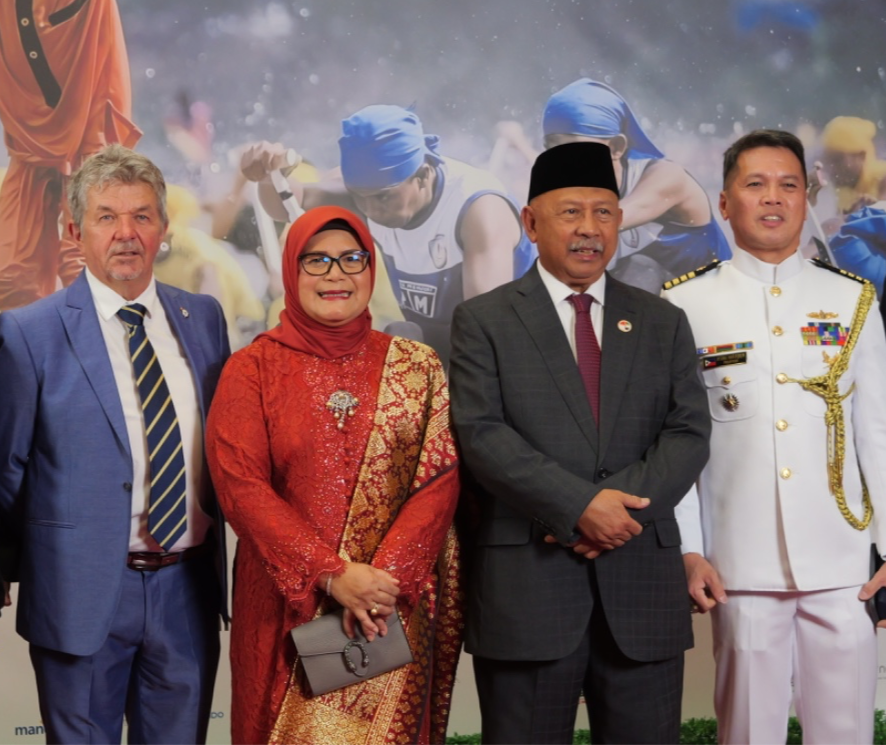
Industry. Most recently the Big 5 Construct Saudi stage in Riyadh, September 2026, on the industrialisation of construction — a room of contractors, developers and manufacturers, and a good number of directors of Saudi companies who wanted to carry the conversation on afterwards.
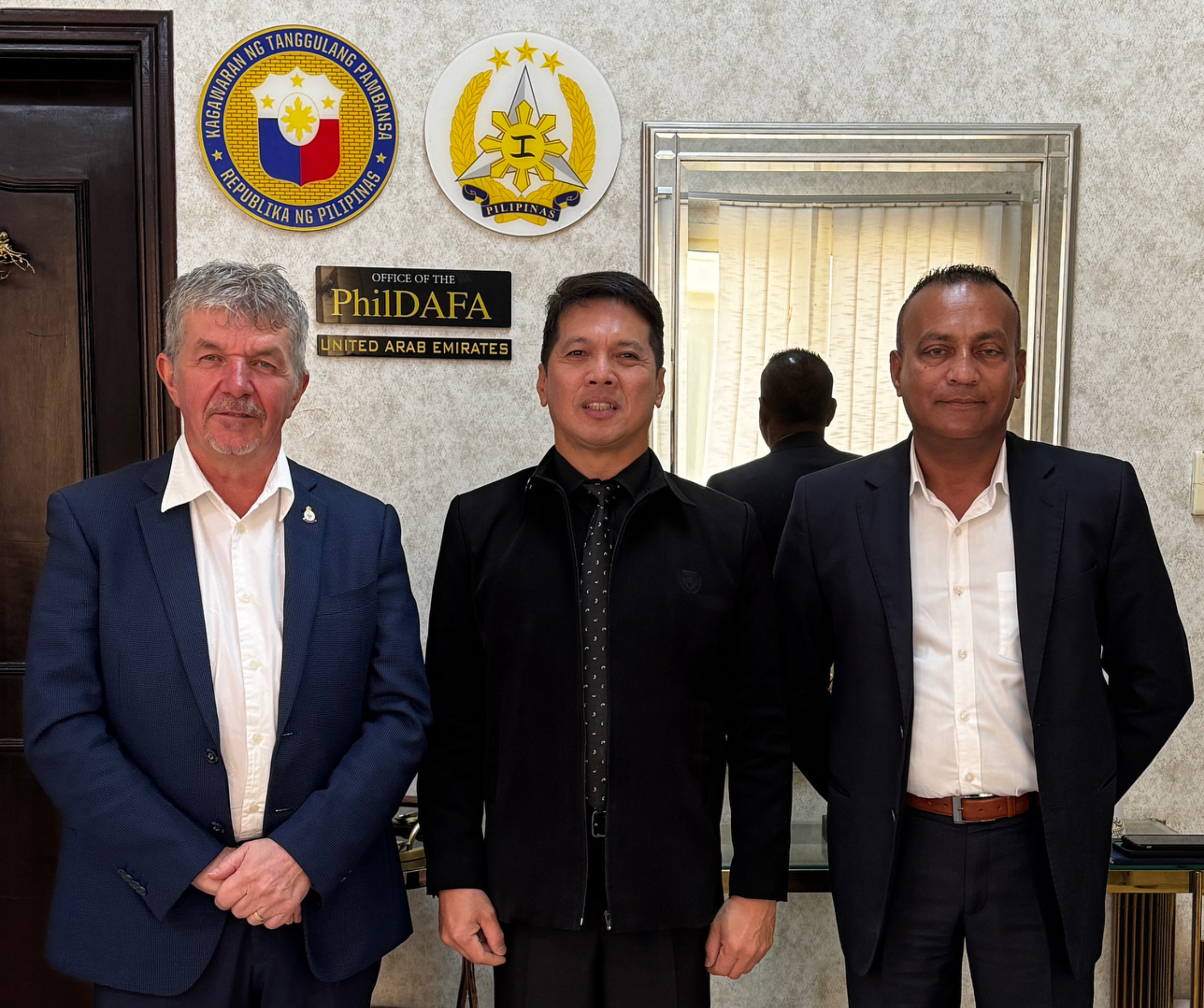
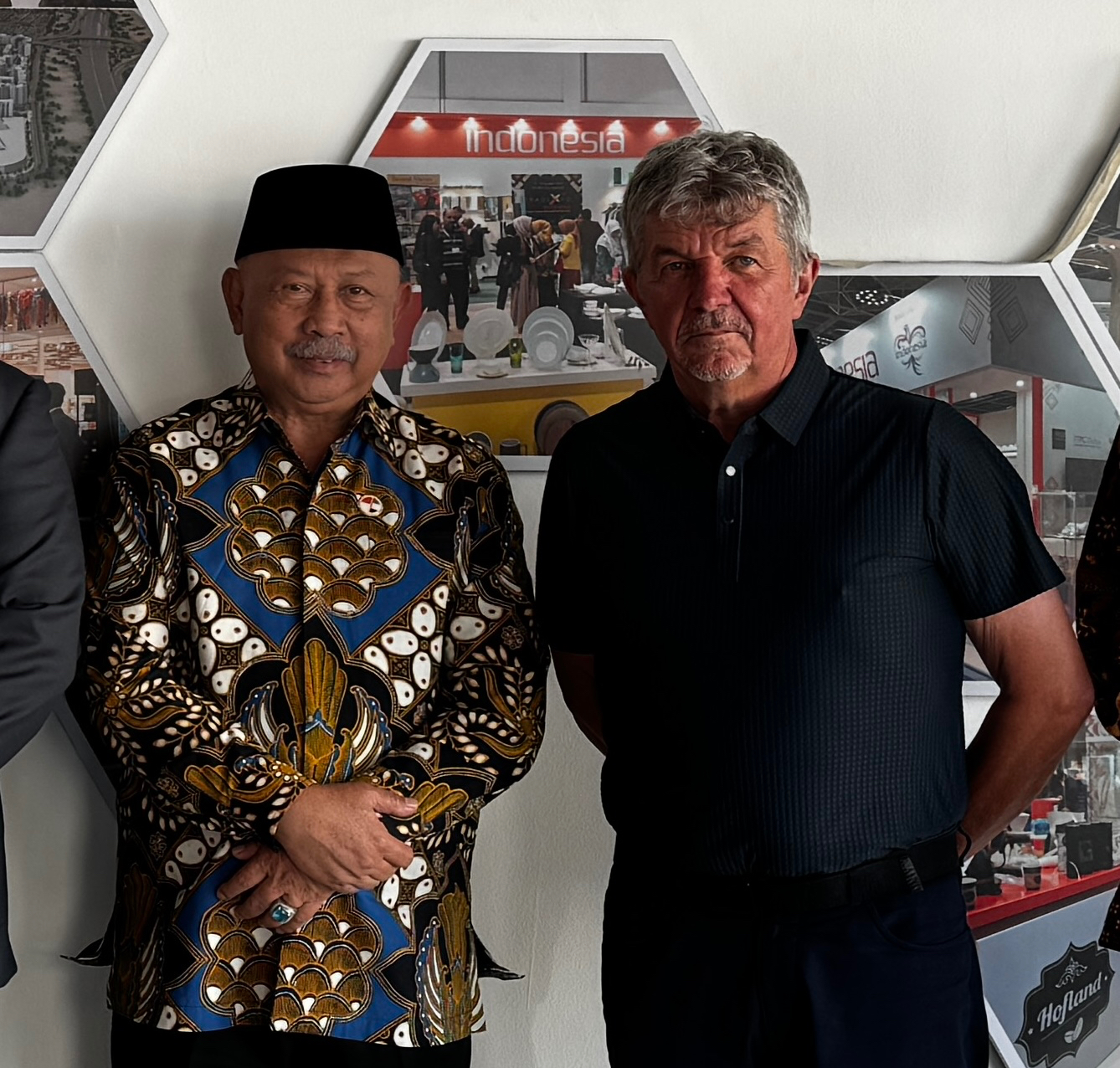
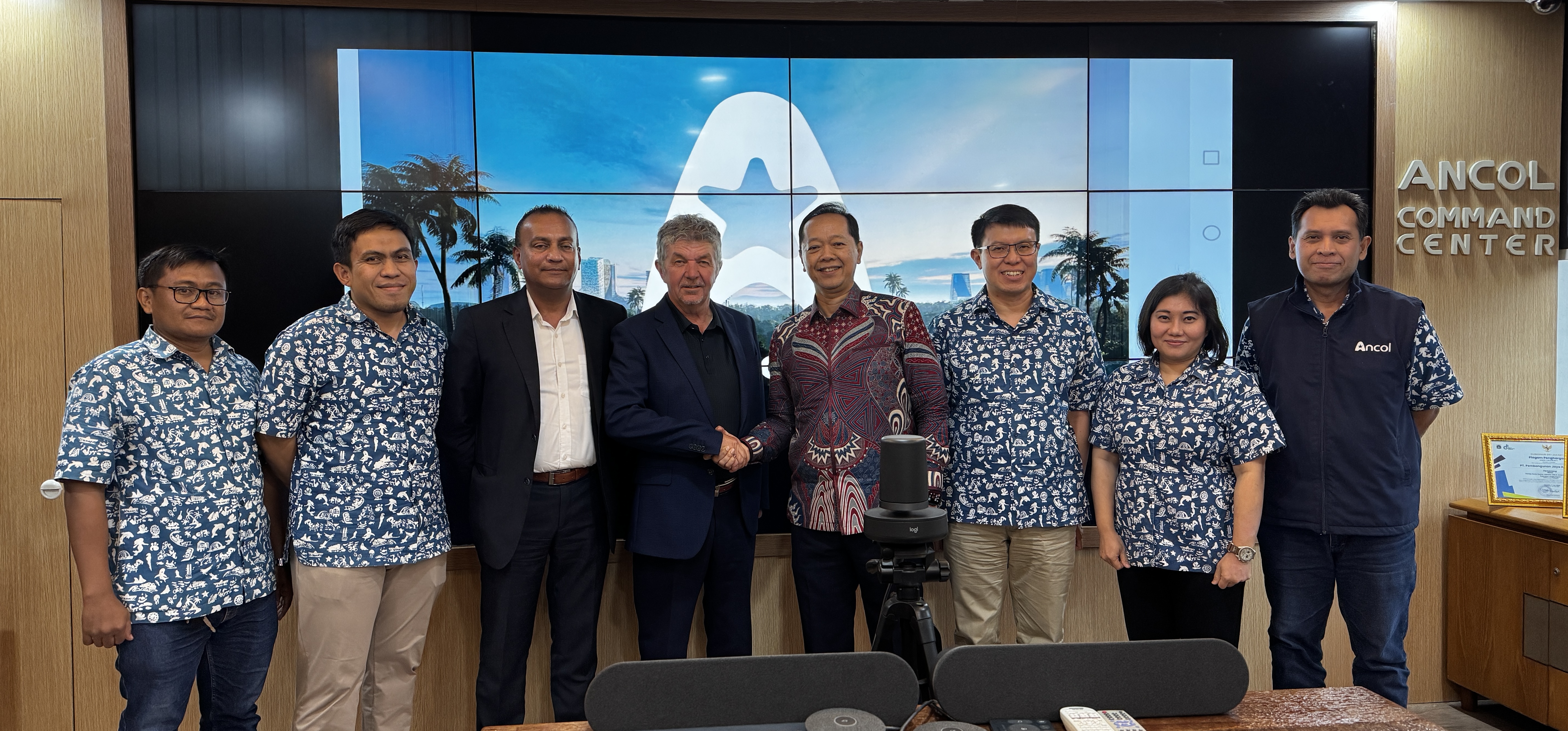
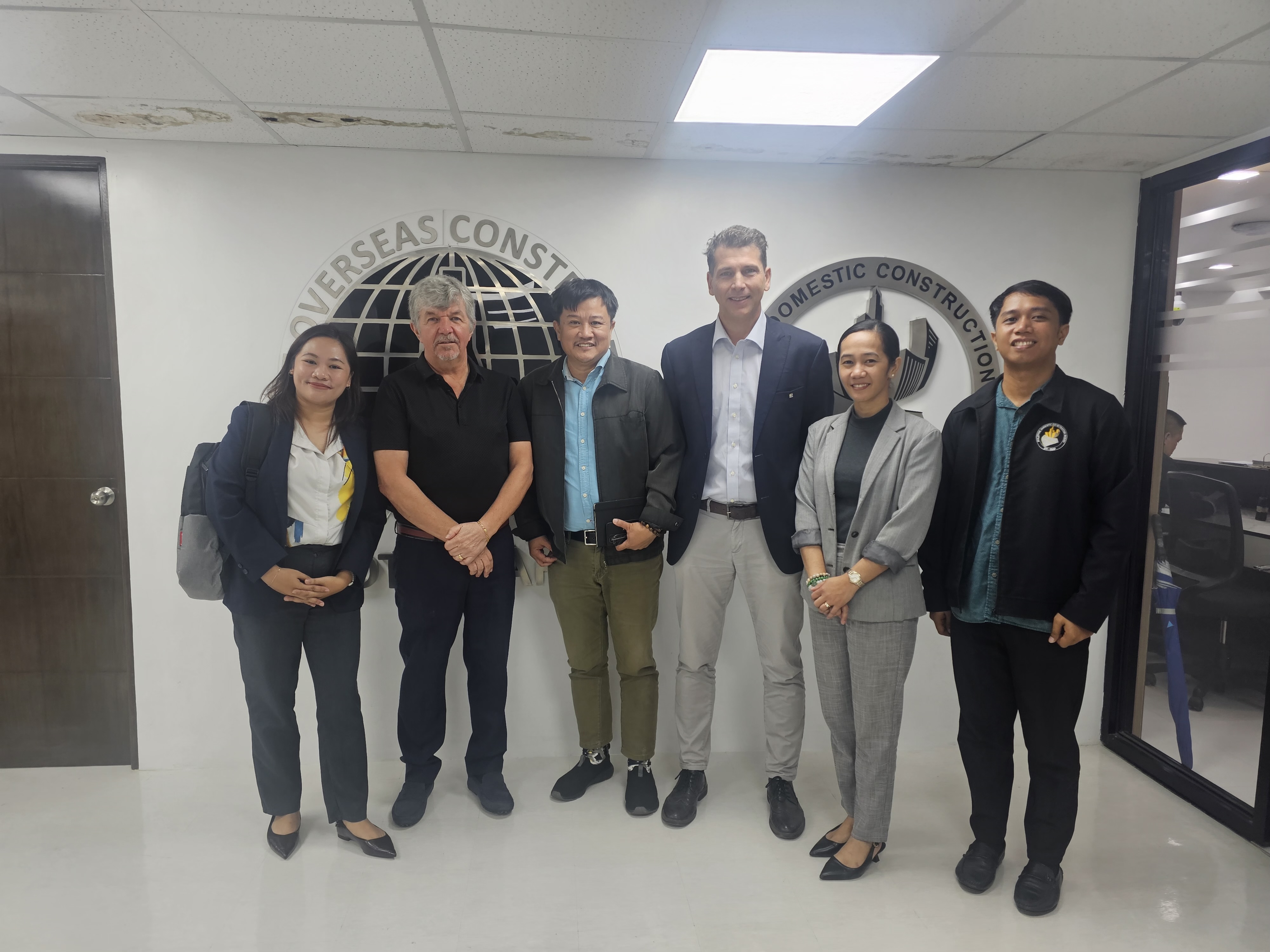
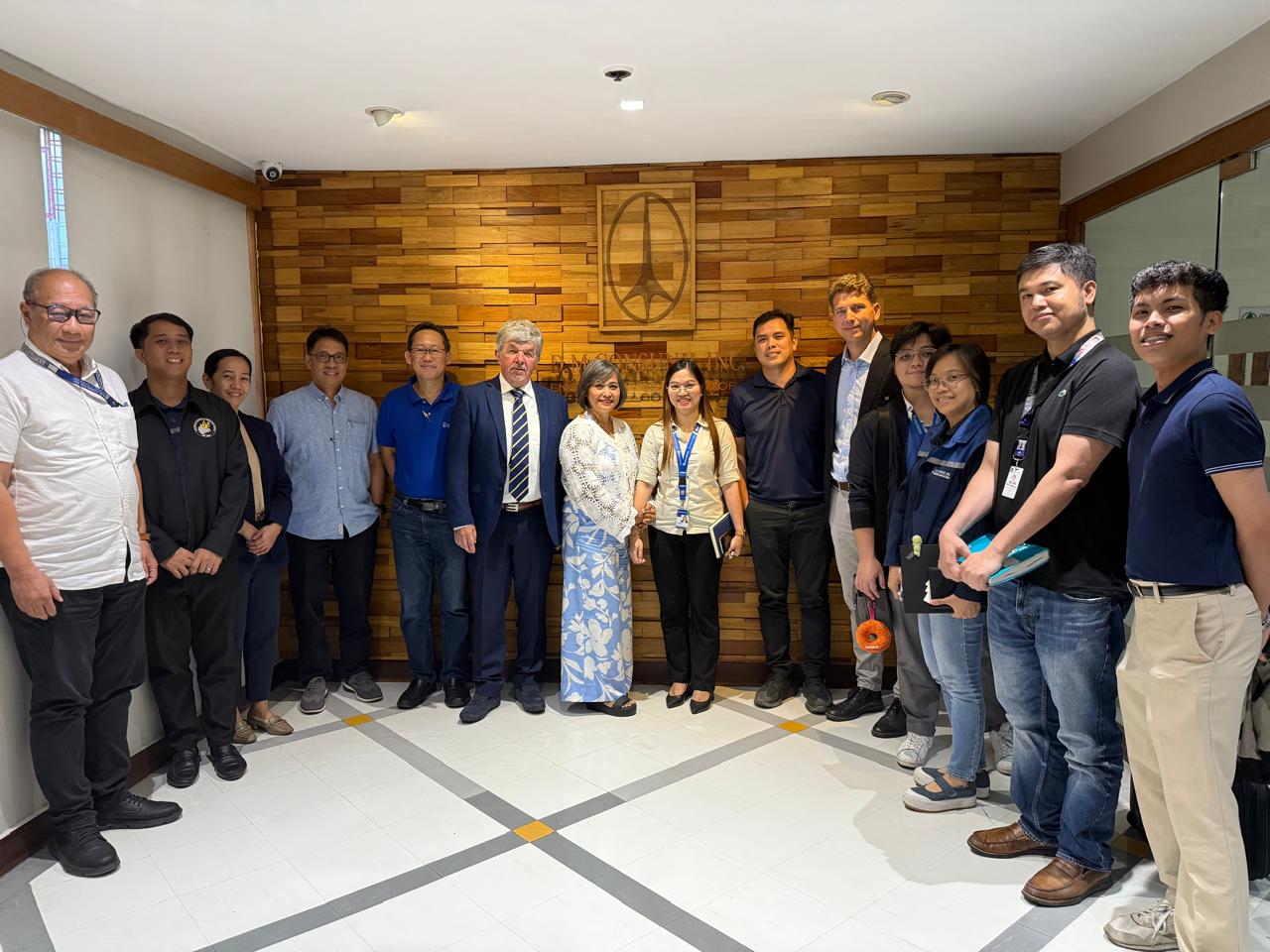
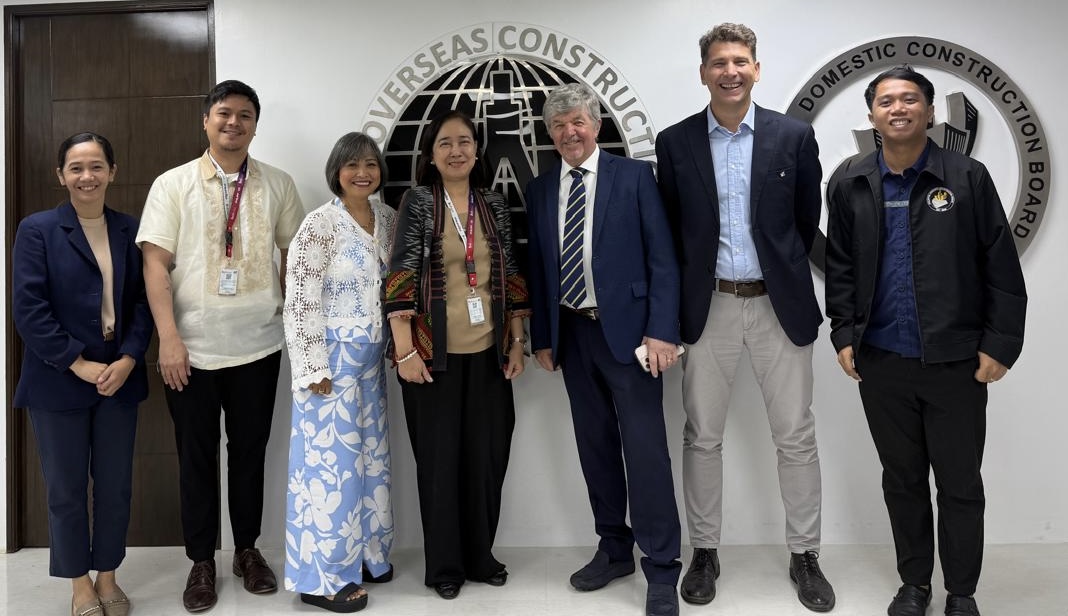
Government and ministries. In Jakarta I briefed audiences convened by Indonesia’s Housing Minister, including Sinarmas. In the Philippines I have given ongoing support to the POCB. In Saudi Arabia and the United Kingdom I have worked with sovereign developers and with the policy end of the housing question. These are not keynotes; they are rooms where the numbers have to hold up under questioning from people who own the problem.
Outside construction. Increasingly the more interesting invitations come from audiences who are not builders at all — health, longevity, humanitarian and development bodies — because the building you live in turns out to be one of the largest untreated variables in how long and how well you live. I build; you heal. That talk exists, and it lands differently.
What I talk about
Most of what follows can be covered in a single talk, but organisers often want to lean harder into one theme. Three that work well on their own:
Industrialisation of Construction
The nine-point central control, why so many factories have failed, and why the pipeline matters more than the plant.
A Look into the Future: CyberBuilt.me
What happens when design, manufacture and delivery are genuinely digital from end to end, and what that means for governments, investors and builders.
Built to Be Healthy
How the buildings we live in decide how long and how well we live, and how to build health into the next thirty‑five million homes.
Tailored to the room
If you are an organisation inside the industry, you can ask for a specific focus on how this work lands inside your company — your pipeline, your projects, your balance sheet. If you are an event organiser, you can ask for a talk that leans into a particular theme or question for your audience.
In both cases I will tell you, before you commit, whether I already have that material in my repertoire or whether someone else would serve you better.
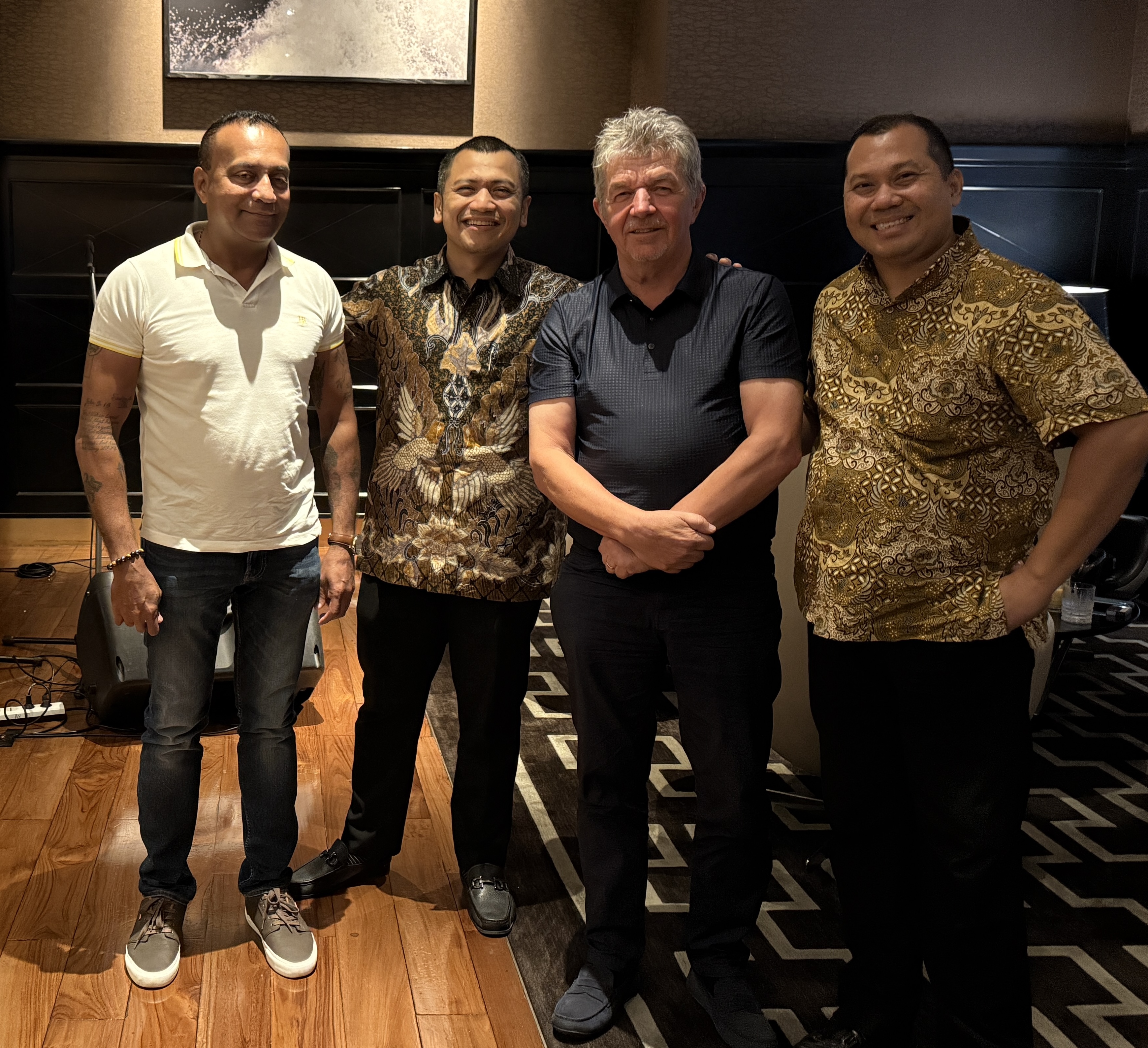
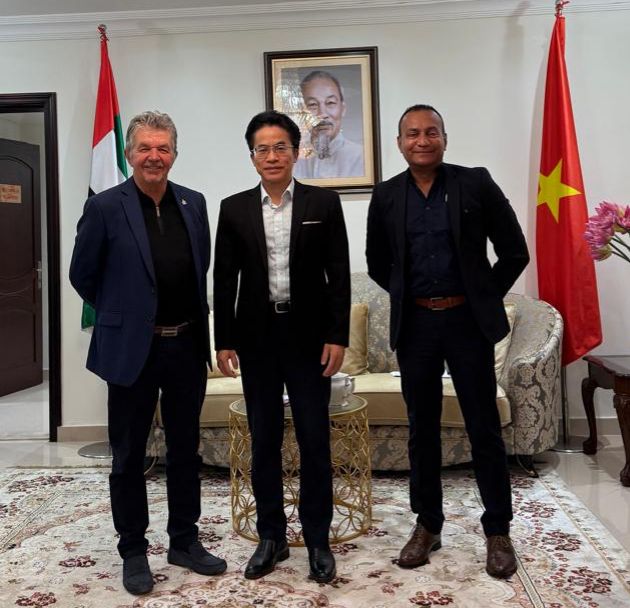
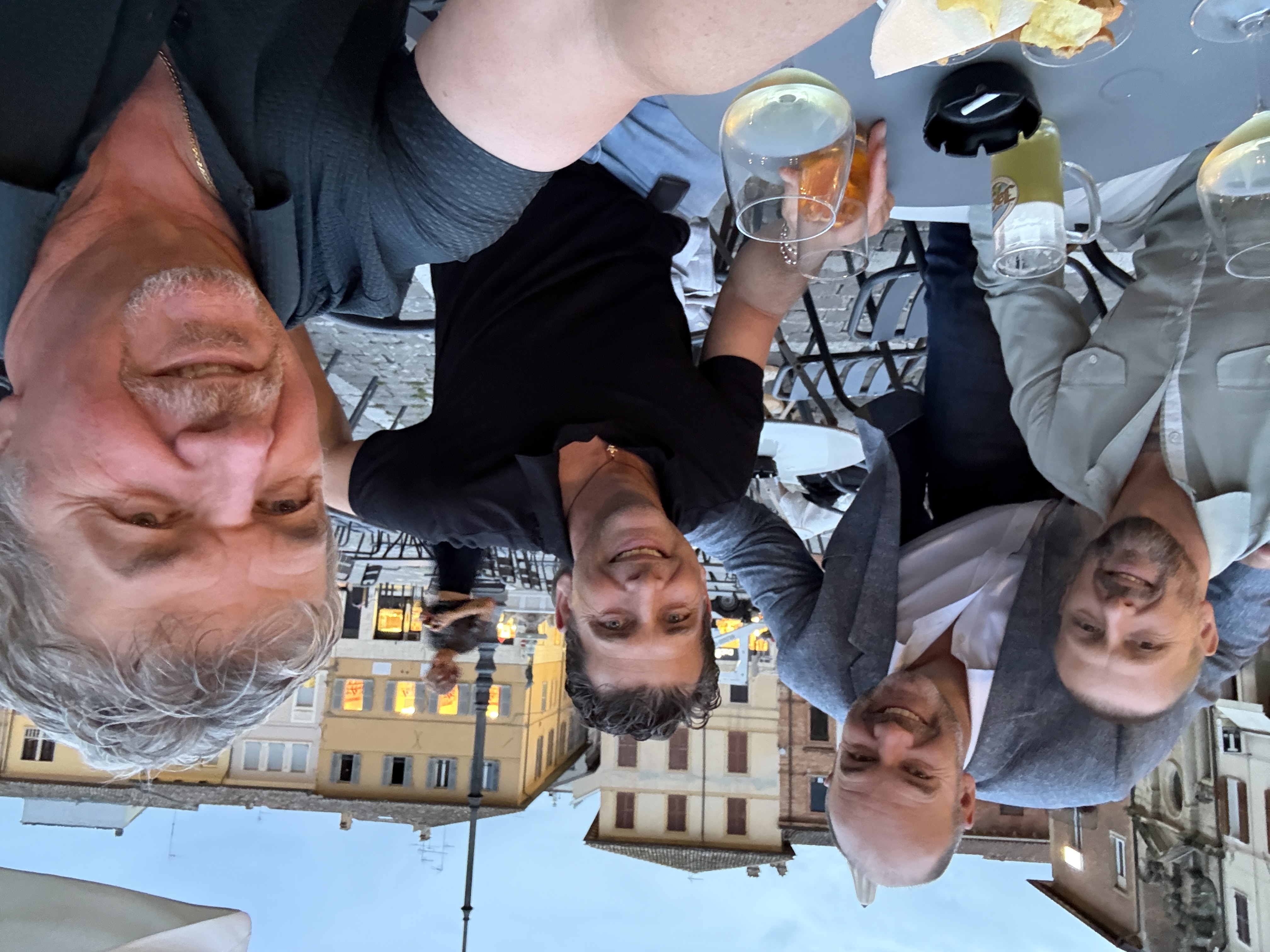
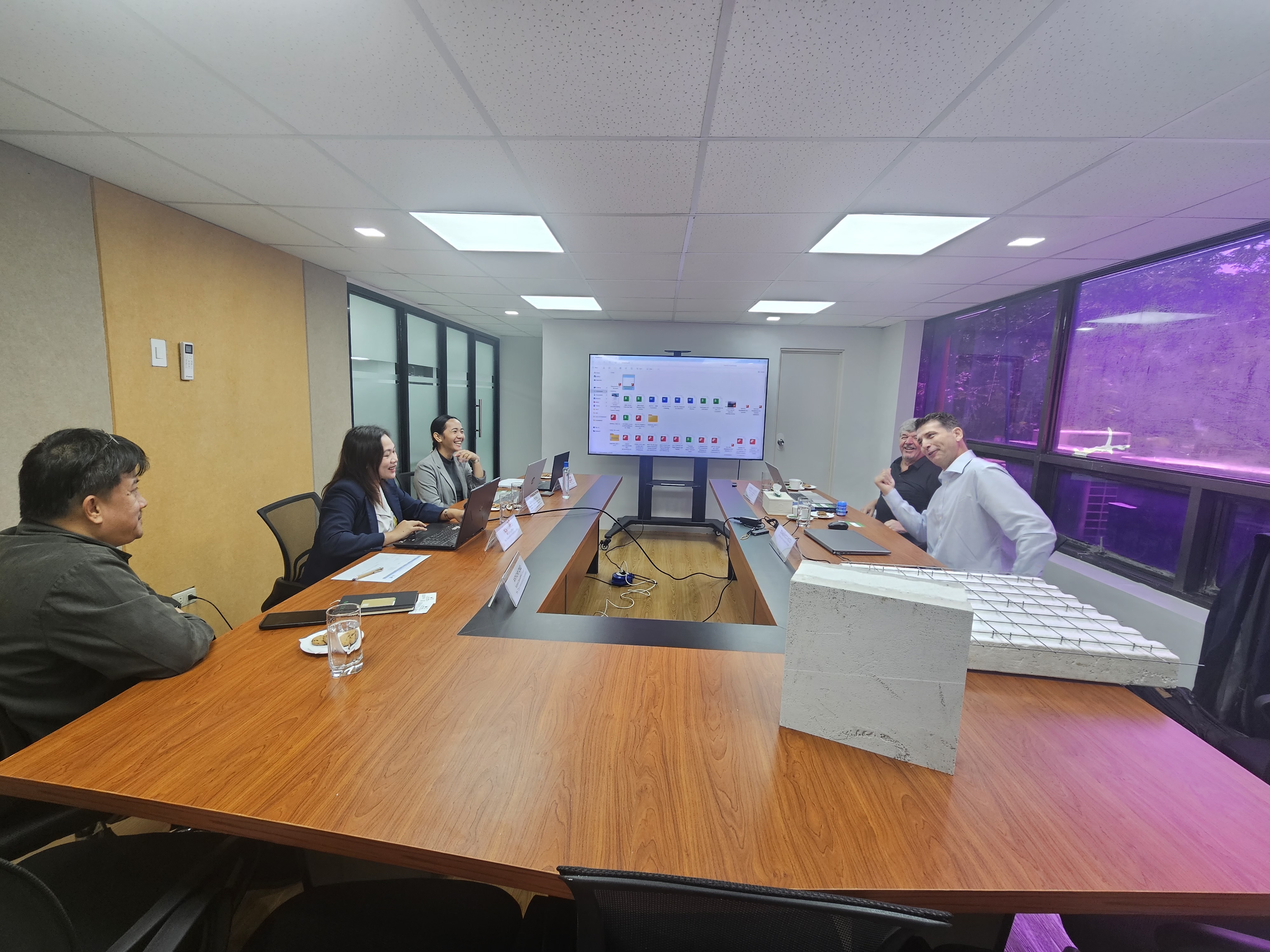
Gallery of Engagements




What an organiser gets
A talk with a position in it. I am not a moderator or a market-overview speaker, and I will not read your sector back to you.
I speak from my own research and my own material — decks written from scratch for the audience, not a slide library with your logo dropped on the cover. If the brief is narrow, I will tell you whether I am the right person for it before you commit.
Keynotes, conference sessions, panels where the panel is real, closed briefings to boards, ministries and sovereign clients, and moderated Q&A where the questions are allowed to be hard. English. Based in Dubai, and content to travel.
A word on honesty
I have spent the last year arguing that construction must industrialise, and I have also come to the conclusion that industrialisation alone will not bring the cost of a house down far enough to solve affordable housing. Both things are true. The answers will vary by country, by climate, by labour market and by what the ground is made of.
I say this from the stage, which occasionally surprises people who booked me expecting the industrialisation sermon. I keep a running list of every point at which my own findings could be attacked, and the honest answer to each. An audience can tell the difference between a case that has been stress-tested and one that has only been rehearsed.
I left school at fifteen and hold no formal qualifications. I was too busy earning the knowledge to collect the certificate. It has never once been the thing an audience wanted to ask about.
Invitations
Tell me the event, the date, the room and what you want the audience to leave believing. If I am right for it, you will know quickly.
Speaker fees and terms are discussed directly, on enquiry. A speaker pack — biography, photograph, talk abstracts and technical requirements — is sent on request.